Yellow Cab vs. Rideshare: Unpacking the Real Cost of Airport Transportation at DFW
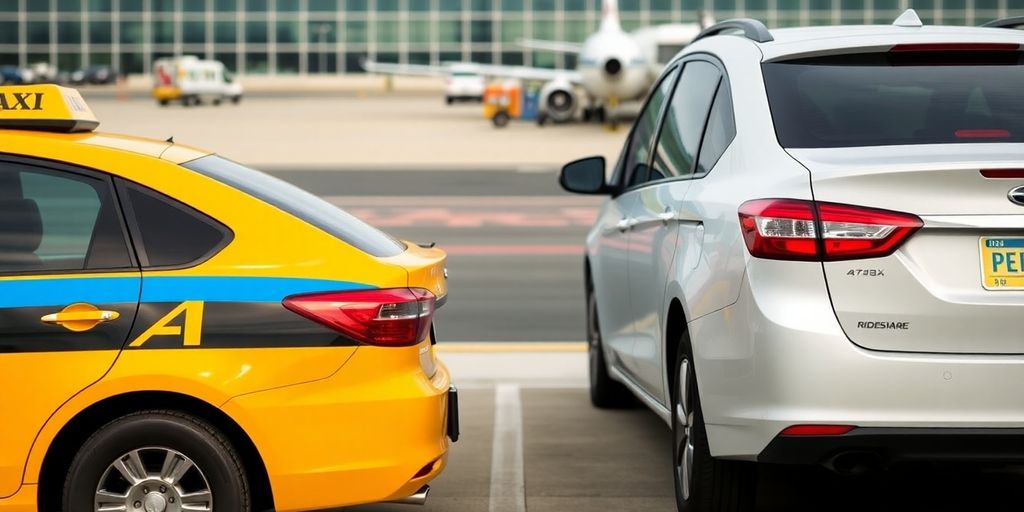
Getting to and from Dallas Fort Worth International Airport (DFW) can be a hassle, and figuring out the best way to do it is even more confusing. We all know the classic yellow cabs, but then there are the newer rideshare apps like Uber and Lyft. They both seem like good options, right? But when you really start to look at the costs, the convenience, and what you're actually getting, the picture gets a lot clearer. This article breaks down Yellow Cab vs. Rideshare: The Real Cost of Airport Transportation in DFW, so you can make a smarter choice next time you fly.
Key Takeaways
- Rideshares often have lower initial fares, but surge pricing can dramatically increase costs, especially during peak travel times or events at DFW.
- Traditional yellow cabs might have a higher base fare or meter rate, but their pricing is generally more predictable, avoiding the sudden spikes seen with rideshares.
- Airport concession fees can apply to both taxis and rideshares picking up at DFW, adding to the overall cost regardless of your chosen service.
- While rideshare apps offer convenience and real-time tracking, yellow cabs can sometimes provide a more straightforward booking process, especially if you prefer not to rely solely on a smartphone app.
- Vehicle comfort and driver professionalism can vary widely in both services; it's worth considering if a slightly higher upfront cost for a potentially cleaner or more comfortable ride is important to you.
Understanding the Base Fare: Yellow Cab vs. Rideshare Pricing

When you're heading to or from DFW, figuring out the cost of getting there is a big part of the planning. It's not just about the sticker price; there are a few things that can really change how much you end up paying. Let's break down the basic fares for both Yellow Cabs and rideshare services.
Initial Cost Comparison for Airport Trips
When you first look at Yellow Cabs versus rideshares like Uber or Lyft for a trip to DFW, the initial price can seem pretty similar, especially for shorter distances. However, this is where the similarities often end. The base fare is just the starting point, and other factors quickly come into play. For a Yellow Cab, you're generally looking at a metered rate, which means the price goes up based on distance and time. Rideshares, on the other hand, often advertise a base fare that can be quite competitive, but this is before any potential surge pricing kicks in.
The Impact of Dynamic Pricing on Rideshare Fares
Rideshare pricing is famous for its dynamic nature. This means the cost can change by the minute, depending on demand. If there's a big event at the convention center or a major flight just landed, you might see prices jump significantly. This can be great if you're trying to get a ride during a slow period, but it can be a nasty surprise when you're in a hurry and everyone else is too. It's a bit of a gamble, really.
Fixed Rates and Metered Fares: Traditional Taxi Structures
Yellow Cabs typically operate on a more predictable system. They use meters that calculate the fare based on how far you travel and how long it takes. This means that for a trip of a set distance, the cost should be relatively consistent, regardless of the time of day or how many other people are trying to get a ride. While this might seem less exciting than the app-based approach, it offers a level of certainty that many travelers appreciate. For instance, Texas Yellow Cab often emphasizes its transparent, upfront pricing, which can be a relief when you're trying to budget your travel expenses.
Navigating Additional Fees and Surcharges
Beyond the sticker price, airport transportation costs can really add up. Both Yellow Cabs and rideshare services at DFW have their own sets of extra charges that can catch you off guard if you're not prepared. It's not just about the base fare; understanding these additional fees is key to figuring out the true cost of getting to or from the airport.
Airport Concession Fees and Their Influence
Airports often charge companies a fee for the privilege of picking up or dropping off passengers on their property. These "concession fees" are usually passed on to the customer. At DFW, you might see this reflected as a specific airport surcharge on your Yellow Cab bill or baked into the rideshare app's pricing. It's a standard practice, but it does mean that a ride starting or ending at the airport will inherently cost more than a similar trip elsewhere in the city.
Understanding Surge Pricing and Its Triggers
Rideshare services are famous (or infamous) for "surge pricing." This is when fares go up significantly during periods of high demand, like rush hour, bad weather, or major events. The unpredictability of surge pricing is a major factor in rideshare cost variability. While it ensures drivers are available when you need them most, it can also lead to surprisingly high bills. Yellow Cabs, on the other hand, typically have fixed rates or metered fares that don't fluctuate based on demand in the same way.
Hidden Costs in Traditional Taxi Services
While Yellow Cabs might seem more straightforward, they can have their own hidden costs. Things like waiting time charges, extra fees for luggage, or even a premium for late-night or early-morning rides can add up. It’s always a good idea to ask your driver about potential extra charges before you start your trip, especially if you have a lot of luggage or are traveling at an unusual hour. Some services, like DFW Affordable Cabs, pride themselves on transparent pricing, which helps avoid these surprises.
Here's a quick look at common surcharges:
- Airport Surcharge: A fee charged by the airport for commercial vehicle operations.
- Waiting Time: Charges incurred if the taxi or rideshare is kept waiting beyond a grace period.
- Late-Night/Early-Morning Fees: Some services may charge more during off-peak hours.
- Extra Luggage/Baggage: While less common with rideshares, some traditional taxis might have nominal fees for excessive luggage.
It's important to remember that while rideshare apps often advertise low initial fares, the dynamic pricing model means the final cost can be quite different from what you initially expected. Always check the estimated fare in the app before confirming your ride, and be aware of the time of day and potential demand.
Evaluating Service Reliability and Availability
When you're heading to or from DFW, figuring out who's going to get you there and when is a big deal. It's not just about the price, but also about whether you can actually get a ride when you need one.
On-Demand vs. Pre-Scheduled Airport Transportation
Sometimes you just need a ride now. Other times, especially for early morning flights or late-night arrivals, you want to book ahead. Rideshare apps usually offer on-demand service, meaning you open the app and a car comes to you. This is super convenient if your plans change last minute. However, if you're traveling during peak times or to a less busy area, finding a car might take longer than you'd like. Yellow Cabs, on the other hand, often allow you to pre-schedule your rides. This can give you peace of mind knowing your transportation is sorted well in advance. For airport trips, knowing your ride is confirmed can be a huge stress reliever.
Driver Availability and Wait Times at DFW
DFW is a busy place, and driver availability can really vary. During rush hours or holidays, you might find yourself waiting longer for either a Yellow Cab or a rideshare. Rideshare apps often show you how many drivers are nearby and an estimated wait time. This can be helpful, but sometimes those estimates aren't totally accurate. With Yellow Cabs, you might not have a real-time map, but they often have a dedicated dispatch system. It's worth considering if you're in a rush or traveling at an odd hour. Sometimes, calling a taxi company directly can give you a more solid answer on availability than just guessing with an app.
The Role of Apps in Securing a Ride
Let's be honest, apps have changed how we get around. Rideshare apps make it pretty simple to book a ride, track your driver, and pay. They've really streamlined the process. You can see different car options and prices right there. Yellow Cabs are also getting with the program, with many now having their own apps or allowing bookings through third-party services. This means you can often get the convenience of an app even when booking a traditional taxi. It's good to have choices, and seeing what's available through an app before you commit can be really useful. booking a taxi through an app can be just as easy as using a rideshare.
Assessing Comfort and Vehicle Quality
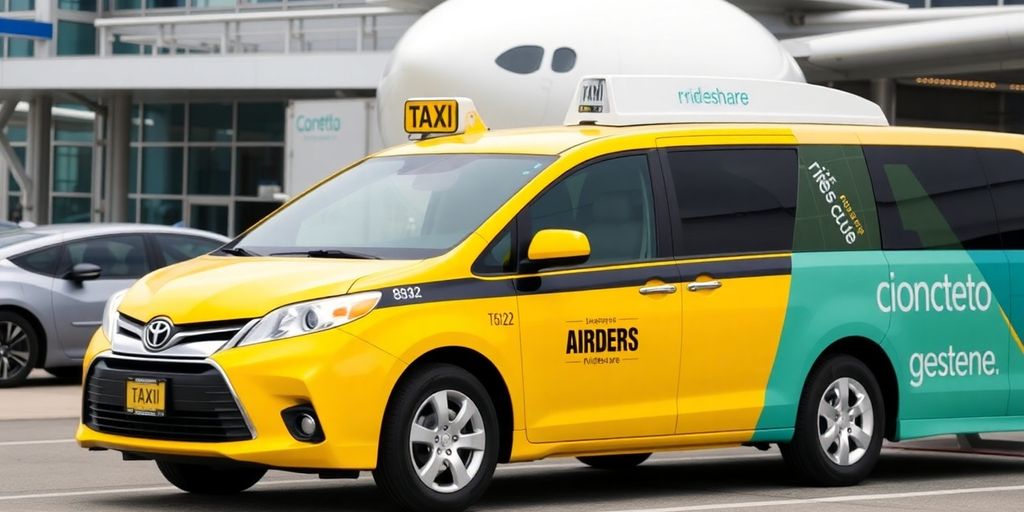
When you're heading to or from DFW, the actual vehicle you ride in can make a big difference in your trip. It's not just about getting from point A to point B; it's about how comfortable and pleasant that journey is.
Vehicle Condition and Amenities: A Key Differentiator
Let's be real, nobody wants to step into a car that looks like it's seen better days. For taxis, the condition can really vary. Some are well-maintained, clean, and even offer a smooth ride. Others, though, might have worn seats, questionable smells, or just feel a bit beat-up. Rideshare services, on the other hand, often have a wider range of vehicles, from basic sedans to more premium options. While you might get a newer model with rideshare, the upkeep can still be hit or miss depending on the individual driver. The biggest difference often comes down to the driver's personal investment in their vehicle.
Passenger Experience in Different Ride Types
Think about what you want from your ride. Do you need to charge your phone? Want a bit more legroom? Maybe just a quiet ride to catch up on emails? Taxis, especially the older models, might not offer these conveniences. You're unlikely to find USB ports or complimentary water. Rideshare apps, however, often give you a peek at the car type beforehand, and sometimes even the driver's rating. This can help you pick a ride that better suits your needs. It's also worth noting that professional taxi services can offer a more luxurious experience with ample legroom and the peace of mind that comes with not having to navigate traffic. professional taxi services
The Evolution of Taxi Fleet Standards
It's interesting to see how taxi fleets have changed over the years. Many cities have pushed for newer, more eco-friendly vehicles, and some taxi companies have started updating their fleets with hybrids or even electric cars. This is partly due to rising fuel costs and a push for greener transportation. While this is a positive step, the pace of change can be slow, and you might still encounter older models. Rideshare platforms, by their nature, don't have a centralized fleet, so the vehicles are constantly being refreshed by individual drivers looking to make a profit. This can mean a more modern car, but it also means less standardization across the board.
The Long-Term Financial Implications
When you're thinking about how you'll get around DFW, especially for regular trips, the long-term costs can really add up. It's not just about the fare you see on the app or the meter. We need to look at the bigger picture, like how often you travel and what kind of deals you can get.
Cost-Effectiveness Over Frequent Travel
If you're someone who travels a lot for work or just enjoys frequent trips around the metroplex, the cost difference between Yellow Cabs and rideshares can become pretty significant over time. Rideshares, with their fluctuating prices, might seem cheaper for a single trip, but those small differences can snowball. Yellow Cabs, often sticking to more predictable fare structures, can offer a more stable budget for frequent travelers. For those making regular airport runs, understanding which option offers better value per trip is key. It's like buying in bulk versus paying retail for every single item; the more you use it, the more the pricing model matters.
Impact of Subsidies and Investment on Pricing
It's also worth considering how companies fund their operations. Rideshare companies have historically spent a lot on getting customers and drivers on their platforms, sometimes meaning they've subsidized rides to keep prices low. This isn't sustainable forever, and as they mature, prices tend to go up. Think about it like this: if a company is losing money on every ride to gain market share, eventually, they need to make that money back. This can mean higher fares down the line. Yellow Cabs, on the other hand, operate on a more traditional business model, which might mean less dramatic price swings but also less reliance on massive external investment to cover operational costs. You can often find more information about their pricing structures on their official website.
Loyalty Programs and Corporate Accounts
Another angle to consider is how you can save money through loyalty or business arrangements. Many taxi companies have been around for ages and might have established corporate accounts or even loyalty programs that offer discounts for frequent riders. Rideshare apps are starting to offer similar features, but it's worth comparing what's available. If your company has a preferred rideshare partner, that might influence your choice. However, don't overlook traditional taxi services; they might have programs that are just as beneficial, if not more so, for regular business travel.
The economic landscape is always shifting. What seems like a good deal today might not be tomorrow, especially when you factor in how companies are funded and how they plan to make profits in the long run. It's always a good idea to keep an eye on how pricing might change based on these bigger business decisions.
Customer Service and Accountability
When things go sideways with your ride, how easy is it to get help? This is where the differences between traditional yellow cabs and rideshare apps can really show. It’s not just about getting from point A to point B; it’s about what happens when the journey isn't smooth.
Resolving Issues with Rideshare Platforms
Rideshare companies often funnel customer service through their apps or websites. This can mean a lot of back-and-forth through automated systems or email, which isn't always the quickest way to sort out a problem. Sometimes, you might get a refund or credit, but getting a real person to understand a complex issue can be a challenge. The impersonal nature of app-based support can be frustrating when you need a human touch.
Recourse and Support with Traditional Taxis
With yellow cabs, you usually have a dispatch number or a company office you can call. This direct line can be helpful for immediate issues, like a forgotten item or a dispute over the fare. While not every taxi company has a top-notch support system, there's often a more direct way to speak with someone who can help. For instance, if you leave something behind, calling the specific taxi company that served you at DFW might be more effective than trying to track down a specific driver through an app.
Driver Accountability and Professional Standards
Accountability is a big deal. Rideshare drivers are often independent contractors, and while platforms have rating systems, direct oversight can be limited. Yellow cab drivers, on the other hand, are typically licensed and regulated by local authorities. This means they often have to adhere to stricter standards regarding driving history, vehicle maintenance, and professional conduct. It’s a system designed to offer a layer of protection and consistency for passengers.
We believe in taking responsibility for our actions and ensuring our customers are happy. If you ever have a concern, we want to hear about it so we can make things right. Your satisfaction is our top priority. Visit our website to learn more about how we handle customer feedback and our commitment to service.
So, What's the Verdict?
After looking at the costs and experiences, it's clear there's no single easy answer for getting to or from DFW. Yellow cabs might seem pricier upfront, but they often offer a more predictable fare, especially if you're heading to areas where rideshares might surge. On the other hand, rideshares can sometimes be cheaper, particularly if you catch them during off-peak hours or snag a good discount. But remember, those low prices often come with their own set of issues, like inconsistent availability or drivers who might not know the best routes. Ultimately, your best bet might be to check both options right before you leave. Consider your budget, how much time you have, and what level of certainty you need for your ride. Sometimes, the familiar yellow cab is the most straightforward choice, while other times, a rideshare app might save you a few bucks. It really just depends on the day and your priorities.
Frequently Asked Questions
How does the pricing work for Yellow Cabs compared to rideshares at DFW?
Yellow Cabs usually have a set price or use a meter that calculates the fare based on distance and time. Rideshares, like Uber or Lyft, often use prices that change depending on how many people need a ride, the time of day, and traffic. This is called 'surge pricing.' Sometimes, a taxi might be cheaper, especially if there's a lot of demand for rideshares.
Are there any extra fees or hidden costs I should know about?
You might see extra charges on top of the basic fare. Airports sometimes add a fee to help pay for airport services. Rideshares can have 'surge pricing' if many people are requesting rides at the same time, making the cost go up. Taxis might have other fees, like for waiting time or extra stops.
How easy is it to get a ride, and how long do I usually have to wait?
Rideshares are usually booked through an app on your phone, so you can see your driver's location and estimated arrival time. Yellow Cabs might be hailed on the street, found at taxi stands, or sometimes booked by phone. At DFW, both are generally available, but rideshares might offer more real-time tracking.
What's the difference in comfort and the type of cars used?
The comfort can vary a lot. Some taxis are older, while others are newer and clean. Rideshare vehicles can also range from basic sedans to more comfortable cars. It's a good idea to check reviews or choose a specific rideshare option if comfort is a big priority for you.
Which option is more cost-effective if I travel frequently?
If you travel often, it's worth comparing the costs over time. Rideshares might offer discounts or rewards programs. Some traditional taxi companies also have loyalty programs or work with businesses. For frequent travelers, understanding these long-term savings is important.
What should I do if I have a problem with my ride or the service?
If you have a problem with a rideshare, you usually contact the company through their app or website. For Yellow Cabs, you might contact the taxi company directly or a city transportation authority. It's important to keep your receipt or ride details to help resolve any issues.


Comments
Post a Comment